One of the best ways to acquire a new client is via a referral from a successful existing client. Small firms often struggle with getting existing clients to provide a referral in the form of either an introduction or a published client success story that could be used in marketing and sales. Issues with getting client references or success stories include:
- Client policy – Clients can have specific company policies that prevent the client from conducting client reference calls or promoting external partner’s work.
- Confidential or competitive work – When the work conducted for a client is confidential or a competitive advantage, the client will not want to share their work with competitors.
- Company approval – For any company mention or logo use that is going to be shared publicly, it is required to get customer approval from their legal and marketing department, which can be difficult.
- Customer risk and legal action– Customers finding out that a logo or reference has been used inappropriately without the correct authorization can result in loss of the customer and potential legal action.
This post will share three hacks to spread the word about successful clients, and a best practice of conducting a client briefing.
Hack #1 – Small Client Win–Win
Small clients are easier sources for public customer success stories. A small client with less corporate bureaucracy can get approval easier than a large firm with multiple layers of approval required. Successful case studies, write-ups, or videos can also benefit the client in helping to promote the client’s innovation or success. Lastly, smaller companies are typically nimbler and do interesting work worth sharing.
Technology Services Group (TSG) was able to create a very successful client case study working with one of our insurance clients, the New York Property Insurance Underwriting Association (NYPIUA). The video below was commissioned by TSG but included NYPIUA management as well as showed off our partnership with Alfresco. The video truly was a “win-win” for TSG, Alfresco, and NYPIUA, as it showed off all our collective strengths in a relevant client case study.
You can still see multiple small client case studies on the TSG website.
Hack #2 – Generic Write-Ups and Case Studies
Rather than seek client approval, an easy addition to web site marketing is to write up the functionality that was developed for a client or group of clients without any mention of any client’s name, brand, or logo. TSG took this approach for our public website and blog, never using a client’s logo or name without specific approval.
As an example, TSG had multiple large insurance clients that would process automobile insurance claims. We knew we would never get corporate approval from the client, but instead created our own demo and write-ups of the processes without any mention or even hint of any of our clients. You can see the demo series still available on the TSG Website.
Hack #3 – Client Hinting
One method often used by many small firms it to “hint” in their narrative or slides about their current clients. Methods include:
- Stating something obvious including “We are working with a Fortune 500 insurance company based in X city” where the client is obvious given the city name.
- A potential customer “figures out the client” based on conversations and their knowledge of the industry.
- Sometimes a partner (in TSG’s case it was typically an Alfresco sales representative) would let it slip to the potential customer. TSG would always state that “we can’t talk about that specific client” but the reference was already out.
- TSG once had one competitor actually say, “our client’s name rhymes with…” when bragging about a large client.
Client Hinting is often present in the industry. Client hinting should be discouraged, as it sets the wrong tone for the clients and prospects regarding the company’s policy around client confidentiality. If done wrong, potential new clients can be scared off by a company’s lack of concern about client confidentiality.
Hack #4 – Conduct a Client Briefing
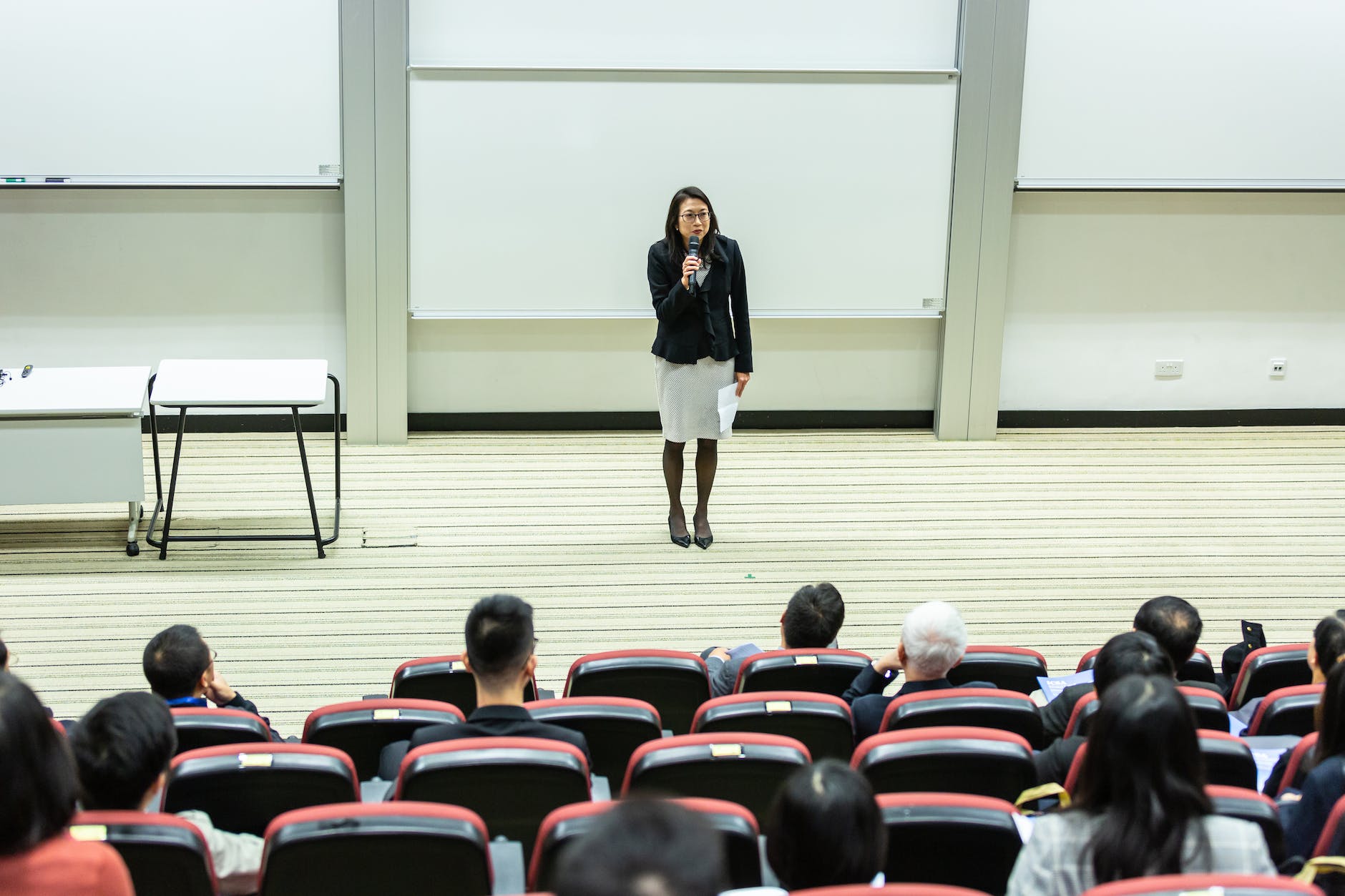
To facilitate clients talking outside of a formal reference, TSG conducted an in-person client briefing. For TSG, conducted briefings happened in downtown Chicago, once a year with all clients, at no cost to the clients or prospects. At our last briefing in 2019, we had over 60 client/prospect personnel in attendance. Some of the lessons learned from the client briefings included:
- Appropriate time of year– TSG would conduct our client briefing in late May/early June to show off Chicago’s summer weather before summer vacations would interfere with client attendance. The timing also gave us a jump-start for projects in the summer, typically a slow time for beginning consulting projects.
- In-person setting – Even before Covid restrictions, TSG determined early on that the briefing would only be held in-person with no recording or virtual attendance. For another event, TSG had attempted a virtual client briefing. TSG found that clients would talk over each other in the virtual setting. Also, some client personnel attended that were only modestly involved in our projects but dominated the conversations, something very disruptive on a video call. TSG felt that having the event in-person eliminated many of the casual clients and only brought the clients or prospects that were very interested in learning more about TSG and our clients. TSG also found that some of the side conversations, introductions, and other in-person networking was incredibly valuable for both TSG, customers, and prospects.
- On a Monday – TSG scheduled the client briefing on a Monday to allow out-of-towners to come and enjoy Chicago on the weekend before the event. Monday also allowed out-of-towners to take advantage of weekend flight and hotel rate reductions. TSG also had better attendance on Mondays for our in-town clients rather than other days in the week.
- Nice location – We ended up leveraging the University of Chicago’s Gleacher Center located in River North. The Gleacher Center has great stadium-style seating, which facilitates a better learning environment. Lunch was also accompanied by a great view overlooking the Chicago River. Clients loved the facilities and TSG always found it to be the best price value.
- Well-planned agenda – TSG would present case studies and allow for networking discussions among clients between sessions. TSG specifically grouped similar clients and TSG lead employees together for brainstorming lunches. If approved, TSG would have current clients present. TSG would also bring in a keynote speaker from a vendor or analyst group to talk about the industry.
- Attendee introductions – TSG would begin each briefing with a round robin of attendees introducing where they were from and what they were looking to learn for the day. We would keep track of this information and try to address it throughout the day, as well as allow time for clients to talk and exchange contact information.
- Chosen attendees – We would only include clients and potential clients, rarely allowing partners or vendors to attend. Based on our experience, partners or vendors would often focus on selling, which went against the overall goal of hosting a learning event.
Summary
TSG was very successful in achieving the goals of client references calls without the issue of getting large company approvals or risking inappropriate client promotion. To accomplish the goal of showing prospects how TSG had experience with clients, TSG developed approved public case studies with small firms, published generic industry case studies, and conducted an annual client briefing.


Leave a Reply